
Eko: We Had Issues With PS4/XB1 CPU
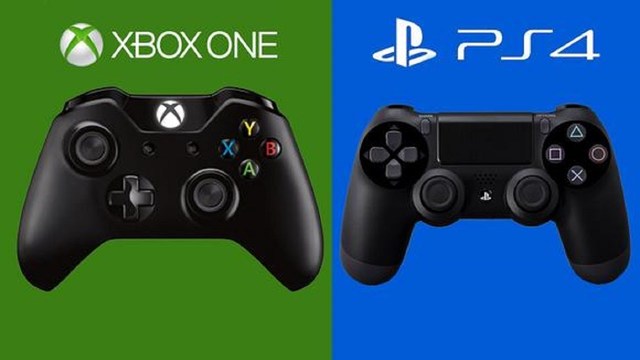
We’ve spoken with French studio Eko Software, the developers of How to Survive, since the game is getting a Storm Warning edition release on PlayStation 4 and Xbox One as well as PC. We asked the specifics about the new generation versions and their experience while developing them; Jean-Georges Levieux, Production Director at Eko, said that the team didn’t notice any important gap between the two platforms.
PS4 and Xbox One are very similar to a PC as it was already the case for the Xbox 360. Porting our in-house engine on these new platforms was not very hard and when developing our first game we didn’t notice any important gap between the two platforms. I think that the developers will make the differences, not the hardware…
Levieux was also able to confirm that How to Survive: Storm Warning edition runs at 1080P@60FPS on both new generation consoles, although he did mention having some issues at first with their CPU.
We are happy to confirm that the game runs at 1080P in 60FPS on both platforms. At first the game was not very smooth on the two platforms, we had some performance issue with the CPU… The first optimization was to use more the multicore architecture of the platforms. Once it was done we were OK. Then we have added meteorological effects into the game, as well to increase the visual aspect than the gameplay possibilities, and here, we needed to optimize a bit again.
This isn’t the first time that we’ve heard developers complaining about the almost identical Jaguar-derived AMD CPUs available in PlayStation 4 and Xbox One. For example, Ubisoft stated that the reason for 900P in Assassin’s Creed Unity is that they are CPU-bound:
Technically we’re CPU-bound. The GPUs are really powerful, obviously the graphics look pretty good, but it’s the CPU [that] has to process the AI, the number of NPCs we have on screen, all these systems running in parallel.
We were quickly bottlenecked by that and it was a bit frustrating, because we thought that this was going to be a tenfold improvement over everything AI-wise, and we realised it was going to be pretty hard. It’s not the number of polygons that affect the framerate. We could be running at 100fps if it was just graphics, but because of AI, we’re still limited to 30 frames per second.
It’s understandable that some developers can feel frustrated. The Jaguar architecture, after all, was designed by AMD for laptops; it’s pretty clear that both Sony and Microsoft have cheaped out in this case, while putting all their efforts on the GPU. Let’s just hope this won’t limit games in the coming years.