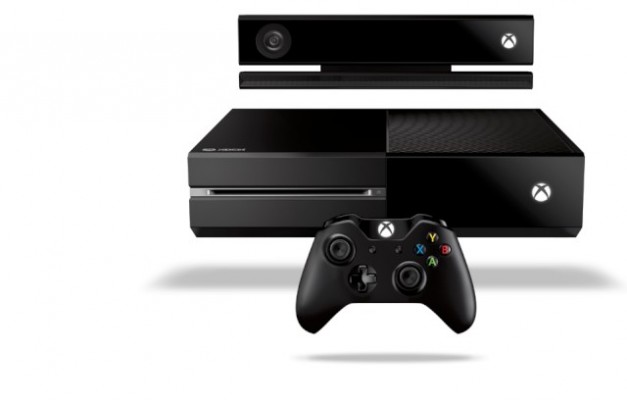
In an interview with GamesIndustry, veteran game designer Jesse Schell shared his belief that listening to customers was a big mistake by Microsoft, referring to the reversed DRM policy.
Your customers want you to stay the same, even if it drives you into the ground.
Basically, Microsoft said, ‘We’re going to be Steam. You like Steam, don’t you?’ And we all said, ‘No, we hate that. We hate you. You’re an idiot to do that.’ They came out and said, ‘We’re gonna do this new thing.’ And the customers said, ‘No, we don’t want that, we hate that’ – even though it’s what they really want and what they will ultimately buy.
So now Microsoft has had to say they won’t do all that stuff, but someone will.
He added that hardcore gamers are somewhat against changes.
The problem is that the hardcore folks always want the same thing: ‘We want exactly what you gave us before, but it has to be completely different.’
When you want to do something really different – the solution to the innovator’s dilemma – you can’t take your big brand and say it’s going to be completely different. You need to set up something up on the side, and big companies are hesitant to do that. It’s how Valve could do it [with Steam], because they had nothing before.
I suspect that we’re going to end up in that world. Are we going to end up there on these consoles? I don’t know. It could be that some dark horse shows up. It could be that Apple shows up. It could be that somebody finds a better way
Well, at the very least no one can accuse Schell to be too conservative with his opinion. Personally I don’t agree in the slightest; Microsoft didn’t really demonstrate a platform with the benefits of Steam, but only with the downsides of Steam, and even if they had some of those benefits, they didn’t properly talk about them, so that’s completely their fault. Also, listening to customers is not at all a mistake, so much that nowadays companies seek the counsel of their users even before they launch their product in a number of ways; of course, the feedback needs to be properly evaluated before it is implemented, but to dismiss it like nonsensical ramble is naive at least.
What do you think? Was Microsoft fundamentally wrong in hearing our cries and reverting their DRM policy for Xbox One?