
Forza Horizon 2 Dev: ESRAM Is Pretty Easy To Manage
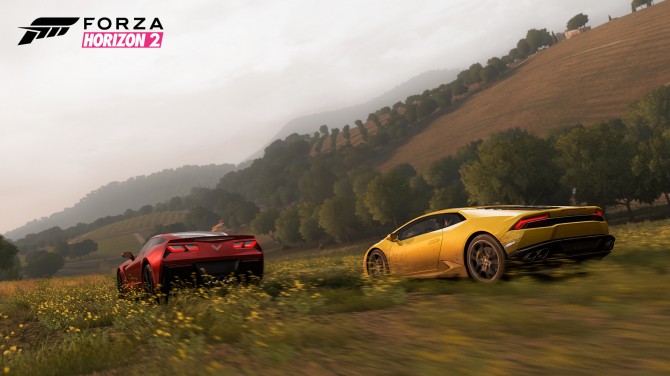
Forza Horizon 2 recently released on Xbox 360 and Xbox One, with Playground Games handling the latter version. The game was received very well from both critics and gamers, and a couple of days ago Eurogamer published a very long interview with a couple developers, mainly focused on tech questions; it’s a great read, and one particular tidbit stood out.
It seems like the game is running at 1080P with 4xMSAA, which should be quite taxing on any hardware and even more so on Xbox One, with the ESRAM deemed as a bottleneck by many developers; however, Forza Horizon 2 dev Andy Sage explained their approach, concluding that it’s actually pretty easy to manage.
We scheduled specific optimisation phases during the project development, where we looked at improvements that would allow us to achieve the solid 30fps that we were aiming for. We analysed ESRAM usage during each of these phases and determined what gains could be made, in particular optimising which render targets were in ESRAM throughout the frame. This involved careful analysis of which targets were required at which point in the frame to allow us to maximise the amount of ESRAM resident resources at any one time. It was also necessary to have a good understanding of what the bottlenecks were for each rendering stage so we could target ESRAM optimisations for systems that benefited from the additional bandwidth. ESRAM is pretty easy to manage, mainly because you don’t need to resolve textures to read them and you can make textures partially resident.
It is not unusual at all for a first party game to be pushing its hardware further than most other games. Still, Microsoft would be wise to let Playground Games share their findings with other developers for the benefit of the whole platform, given how many times we’ve heard complaints on ESRAM so far.