The Conjuring Review - Dance with the Devil
Ed and Lorraine Warren are quite famous, in the States and outside, for being among the very few lay demonologists recognized by the Catholic Church. The cases they’ve been working on, collected in books, have been quite a goldmine for Hollywood: the Amityville saga, Robert Mandel’s The Haunted, Peter Cornwell’s The Haunting in Connecticut, everyone has been inspired by an actual (for those who believe in it) investigation conducted by the Warrens. Usually, the major risk of telling a story from demon-hunters’ memories, is to fall for the most predictable pattern, to abandon the film in the hands of the special effects technicians, thus making a noisy and stupid horror movie out of a story full of potential. Rest assured, though, that this is not the case.
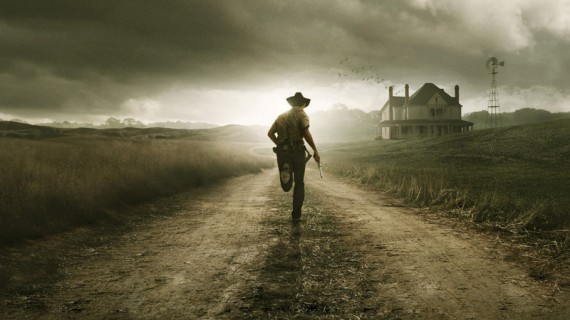
We’re in Harrisville, Rhode Island, 1971: Roger and Carolyn Perron just moved to a new house with their five daughters. The house is a big and beautiful old manor isolated in the countryside, and it represents the fulfillment of the family’s dreams. Immediately after their arrival, however, many strange things begin to happen: the dog dies for no apparent reason, birds crash against the walls breaking their neck, and by night strange noises similar to whispers are heard. When things begin to move on their own, and the children claim there’s somebody scaring them by night, Carolyn decides to call for a specialist, and by chance she learns of the demonologists Ed and Lorraine Warren’s activities.
Shortly after arriving to the house, the two learn that a powerful spirit, belonging to the Salem’s witch known as Bathsheba, has decided to destroy the Perrons.
After a race to win the rights of the story, New Line Cinema emerged victorious, entrusting the responsibility of the script, written by producer Tony DeRosa-Grund (who heard the story directly from Ed Warren, passed away in 2006), to James Wan, the innovative director behind Saw. Not really happy for the script, which focused only on the Perrons’ point of view, Wan called the Hayes brothers (Chad and Carey) to write it again from the beginning, widening the story, deepening the characters and also adding the points of view of the Warrens and of the many ghosts inhabiting the old house. Even Lorraine Warren was called on the set as a consultant, helping Wan in bringing on the big screen one of the most disturbing cases she stumbled upon during her “work” (neither she or her husband ever asked for money for their preliminary inquiries).
Wan makes a classic, pure horror movie, following the “haunted house pattern”, managing to find originality in visual ideas that enhance an already disturbing story, if possible, by making it even more tense and chilling. The tension never really goes away for more than five minutes at a time, and the spectator’s nerves are put to a serious test throughout all the film. Wan follows many contemporary suggestions, from the Eastern horror (ghosts with long black hair, showed one detail at a time, in this case the hands) to the first-person ones in [REC.] style (a short but effective sequence in the basement), but he never gives up to pure quotationism, and sticks to the model of the classic horror, preferring a game of atmosphere to the excess of gore.
Finally, The Conjuring is a horror movie with a great cast, even if the actors aren’t well recognized yet. I found the acting of the five Perron daughters (Mackenzie Foy, Joey King, Shanley Caswell, Hayley McFarland, Kyla Deaver) especially remarkable , genuine and realistic, and their performances certainly helped in the creation of a truly scary atmosphere. Some of the sequences are simply perfect, from the distressing “hide and clap” game to the apparition in Warrens’ house, in a crescendo of fear that culminates in a breathtaking cliffhanger.